Some classes follow tradition.
The first one writes it.
Mayo Clinic in Arizona’s inaugural Emergency Medicine residency. Five residents per class. Twenty at full complement. Beginning summer 2027.*
*Program pending ACGME Initial Accreditation approval.
Five residents.One inaugural class.A program built around the people in it.
Most residencies inherit a culture.
Ours will have one because you helped shape it.
#1
Hospital in Arizona
U.S. News Best Hospitals Honor Roll, 2025–2026
62,000
Annual ED visits
at Mayo Clinic in Arizona, growing each year
2:1
Faculty-to-resident ratio
twelve fellowship-trained faculty, twenty residents at full complement
A tertiary academic medical center, set against the desert.
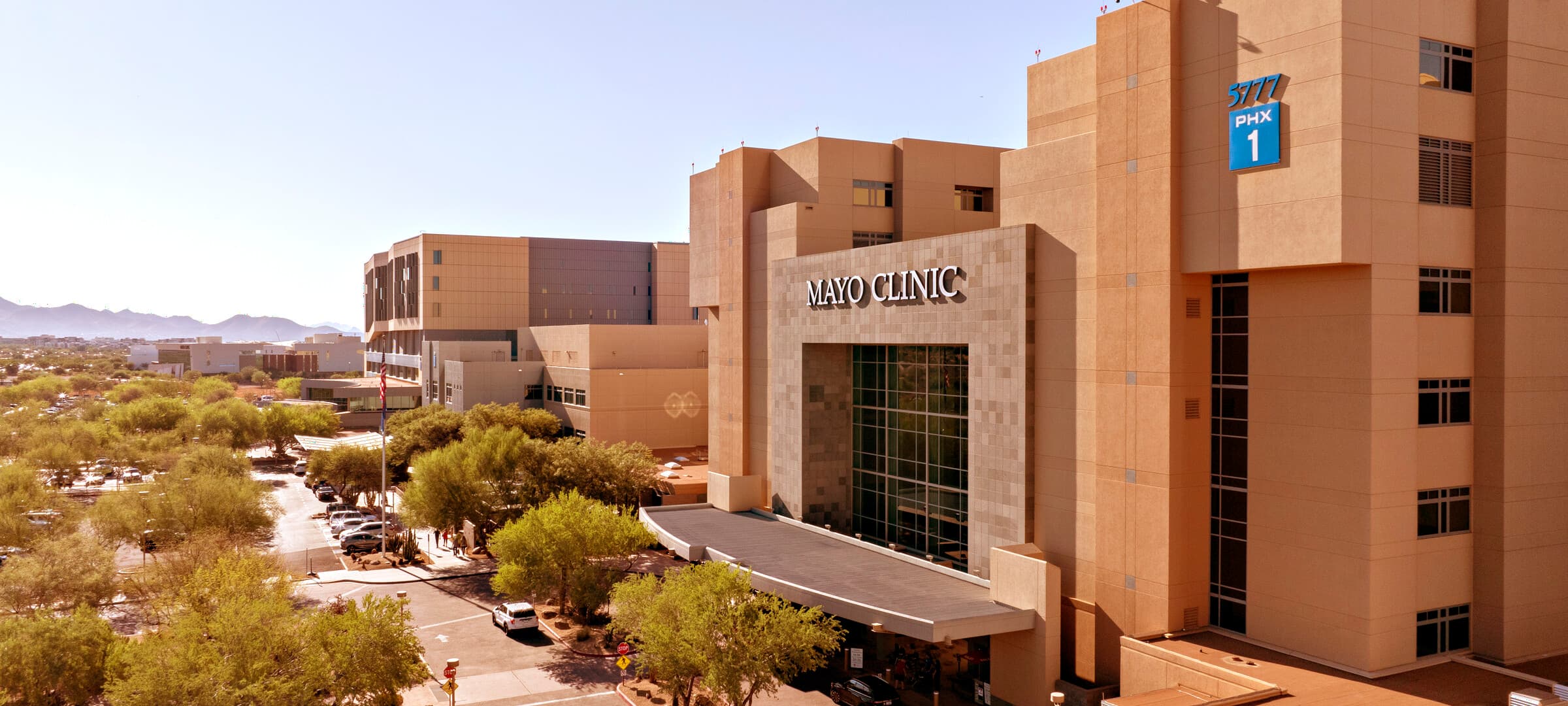
Mayo Clinic in Arizona is a tertiary academic medical center. Sixty-two ED rooms with three major resuscitation bays. Comprehensive Stroke Center, STEMI receiving center, LVAD and organ transplant programs. Over sixty thousand annual visits, growing each year. Your training begins inside the walls of one of the nation's top academic hospitals and extends across the entire Phoenix metro.
Six health systems. One forty-mile radius.
Academic tertiary care. Dedicated pediatrics. County-funded safety net hospital with a level 1 trauma designation. High-acuity trauma and neuroemergency at Barrow. Busy toxicology and obstetrics services. Rural Indian Health Care in the Gila River Indian Community. By graduation, you will have practiced in multiple clinical settings helping to prepare you for any clinical setting you walk into after graduation.
Primary site
Mayo Clinic in Arizona
Tertiary academic medical center. 62-bed ED with three major resuscitation bays. Comprehensive Stroke Center, STEMI receiving center, LVAD and organ transplant program.
Pediatric emergency medicine
Phoenix Children's Hospital
Level 1 Pediatric Trauma Center. Main campus 68-bed ED, 100,000+ pediatric visits per year. Arrowhead community campus for high-volume pediatrics.
County safety net
Valleywise Health Medical Center
Level 1 trauma center. Arizona's only nationally recognized Burn Center. Maricopa County's safety-net hospital, with its own ACGME-accredited EM residency.
Trauma & neuroemergency
St. Joseph's Hospital and Medical Center
Level 1 trauma center in central Phoenix. Home of Barrow Neurological Institute, world-renowned for neurosciences.
Toxicology & obstetrics
Banner University Medical Center – Phoenix
Tertiary academic teaching hospital and Level 1 trauma center. Renowned medical toxicology center with its own admitting service from observation through ICU. High-volume labor and delivery.
Rural & underserved
HuHuKam Memorial Hospital
Part of Gila River Health Care (GRHC), a tribal-run healthcare network serving the Gila River Indian Community south of the Phoenix metro. Rural, resource-limited emergency care; cultural-sensitivity training and a Gila River EMS ride-along included.
And when you want to leave Arizona, you can do that, too.
Senior residents have the opportunity to complete four-week EM selective rotations at Mayo Clinic emergency departments in Rochester, MN and Jacksonville, FL. Other selectives include Indian Health Services Rural EM at Winslow Indian Health Care Center / Dilkon in Northern Arizona and St. Joseph's Hospital and Medical Center. Three Mayo campuses, six health systems, your residency.
A residency you tune to your own career.
Career Development Tracks (CDT) carry a longitudinal mentor, a scholarly project, and eleven weeks of elective protected time to develop your professional niche. Additional four weeks of elective time as a PGY-4. Senior EM selectives in PGY-3 and PGY-4 let you bend the final two years toward the practice you actually want.
Simulation that meets you on shift.
A dedicated sim suite with high-fidelity mannequins and an ultrasound bay, plus in-situ simulation in the ED itself. Just-in-time procedural training and on-shift ultrasound teaching, available the moment you scan the QR code in your workarea.
Inside the sim centerCuriosity, funded.
Project funding for residents. Direct access to institutional data warehouses, statisticians, and the Kern Center for the Science of Health Care Delivery. Faculty who publish across the breadth of EM — from case reports to prospective multicenter trials.
How research works hereWellness that includes the people you come home to.
A formal mentorship program built for residents and their families. Schedules and culture shaped by people who have done this work and want their colleagues to last. Once a year, the EM and Critical Care services open the ED to families: spouses run a sim case, kids see where you spend your nights, and the program becomes something everyone in your life can picture.
How we think about wellnessSummer 2027.
358
days
20
hours
30
minutes
10
seconds
The class of 2027 will write the first page.
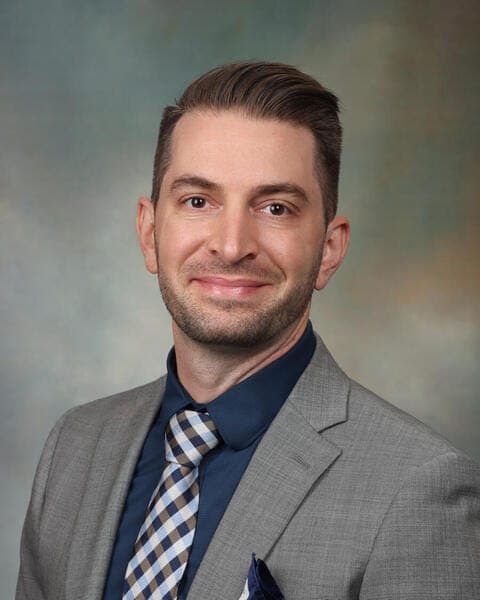
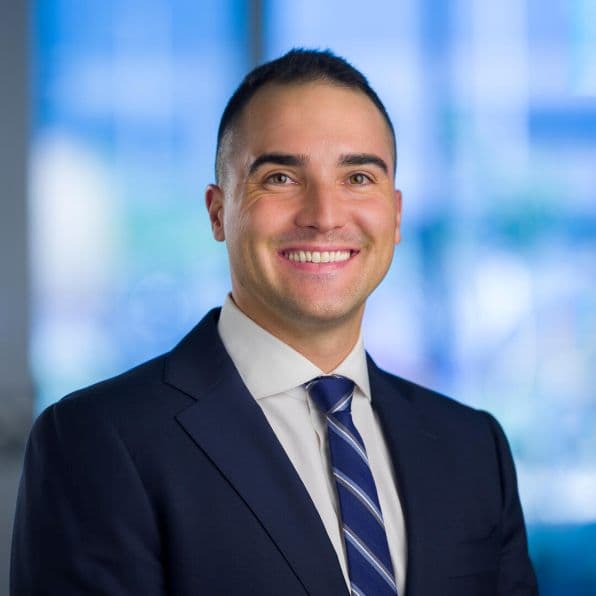
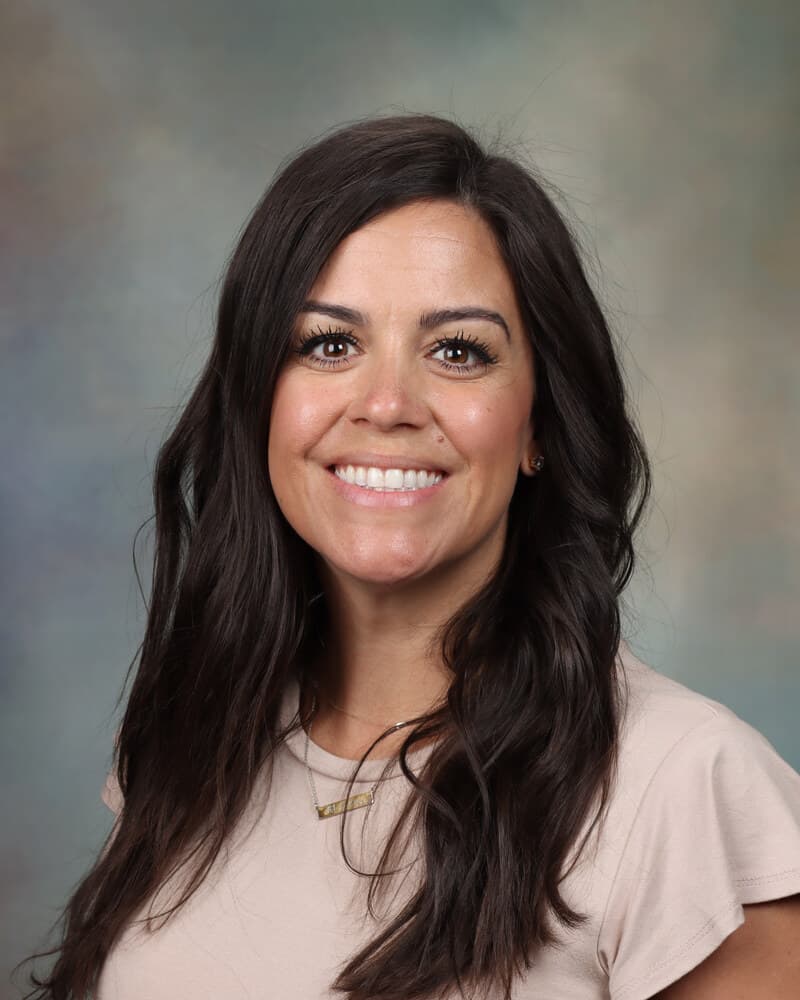
People who built their careers to teach yours.
Faculty with experience in bedside and didactic education. Twelve fellowship-trained faculty. High faculty to resident ratio. Robust residency program leadership team.
Meet the team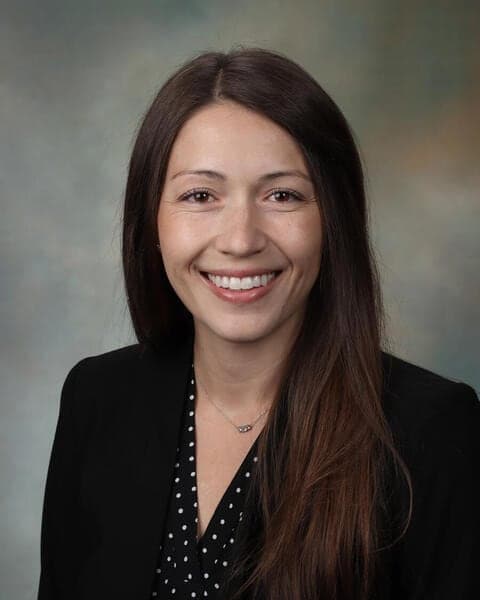


Three hundred days of sun. A range of mountains in every direction.
Yes, Phoenix is hot. But it’s far more livable than its reputation suggests. Trails within city limits. Sedona two hours away. Snow in Flagstaff. The Pacific within a day’s drive. A cost of living that remains manageable.
Why the desert299
sunny days a year
4 min
to a trailhead from the hospital
5th
largest US city